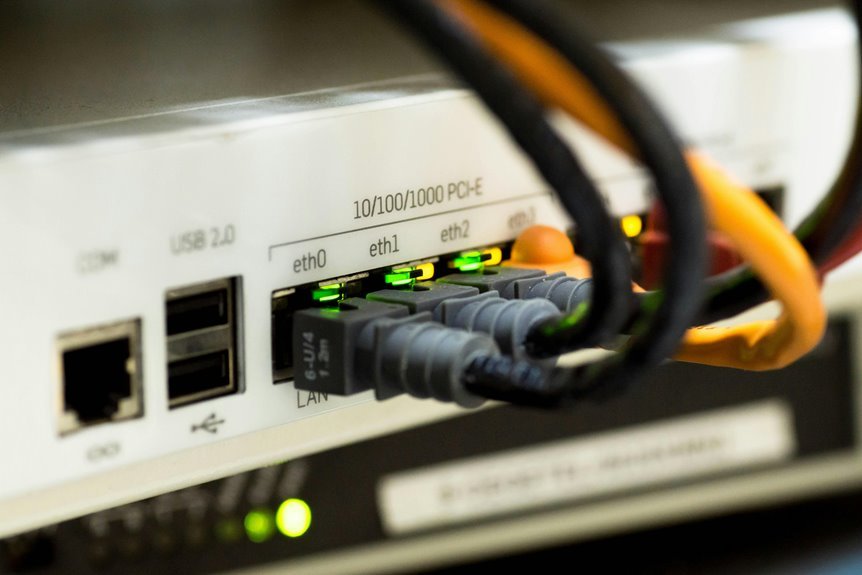

Advanced internet infrastructure plays a crucial role in maintaining stability within the ever-evolving digital environment. By utilizing high-capacity networks and effective load balancing, service providers can manage traffic efficiently, reducing the likelihood of bottlenecks. This approach not only enhances performance but also contributes to a secure online atmosphere. However, as technology continues to advance, the future implications of these developments warrant further examination. What lies ahead for internet infrastructure?
Understanding the Need for Advanced Internet Infrastructure
As the digital landscape evolves, the necessity for advanced internet infrastructure becomes increasingly apparent.
Enhanced internet connectivity relies on strategic infrastructure investment to support growing data demands and user expectations. High-capacity networks facilitate seamless communication, fostering innovation and economic freedom.
A robust infrastructure not only mitigates latency but also empowers diverse communities, ensuring equitable access to digital opportunities in an interconnected world.
Key Features That Enhance Stability and Performance
While many factors contribute to the stability and performance of internet infrastructure, several key features stand out as essential for ensuring optimal connectivity.
Load balancing efficiently distributes traffic across multiple servers, preventing bottlenecks and enhancing responsiveness.
Network redundancy, through multiple pathways and backups, ensures uninterrupted service even during failures.
Together, these features create a robust framework that supports a flexible and resilient internet experience.
Benefits of a Resilient Online Ecosystem for Users
A resilient online ecosystem significantly enhances user experience by ensuring consistent access and reliable performance, particularly during peak usage times or unforeseen disruptions.
Additionally, it bolsters online security, mitigating risks associated with data breaches and cyber threats.
This stability fosters user confidence, allowing individuals to navigate digital spaces freely, thus promoting a more secure and enjoyable online environment essential for both personal and professional activities.
Future Trends in Internet Infrastructure Development
With the rapid evolution of digital technologies, future trends in internet infrastructure development are poised to transform connectivity paradigms, enhancing both speed and accessibility.
Key advancements such as 5G will enable faster data transmission, while Quantum networking promises secure communication.
Furthermore, Blockchain technology enhances decentralized applications, and Edge computing reduces latency, collectively revolutionizing how users interact with and benefit from online ecosystems.
Conclusion
In conclusion, advanced internet infrastructure is pivotal for maintaining stability in the digital realm. For instance, during the 2020 pandemic, companies like Zoom implemented load balancing solutions to manage unprecedented traffic surges, ensuring seamless communication. Such innovations not only mitigate risks of service interruptions but also enhance user confidence and accessibility. As the demand for digital services continues to grow, investing in robust infrastructure will be essential for fostering resilience and driving future advancements in technology.